
When I started the discussion about Paul’s secret in Philippians 4:12-13 a few posts ago, the context of that passage was how he had learned contentment. Since I believe many modern western people struggle with being content, I would like to circle back and discuss how we can apply Paul’s secret and train with Jesus in this area.
As we begin our discussion about spiritual training with Jesus, I need to make several points. First, what I’m about to outline is neither a prescription nor a one-size-fits-all detailed plan. Spiritual practices provide the space for us to interact and cooperate with God. Only God brings transformation. Spiritual disciplines help make space in our thoughts, feelings, body and will for him to work.
This leads to the second point. Spiritual disciplines do not directly cause transformation. Heroic efforts in spiritual practices will not result in quicker transformation. Nor is the goal to master the spiritual disciplines.
Third, anyone who has read or listened to Dallas Willard will realize that I lean heavily on his insights. I believe that he offers the most thoughtful insights and recommendations into spiritual formation in the modern church. So a lot of what follows is deeply influenced by him.
Fourth, when we talk about spiritual training, it is interactive training in cooperation with Jesus. He is alive and with us right now. He is the master of life and offers to teach us his life in the kingdom to experience the transformation from God we seek. Therefore, communication and guidance from Jesus in these areas are essential. Spiritual formation is not a DIY project. We are novices who can only learn from the master.
Fifth, this post will be broken into two separate posts. I will use this post to discuss general spiritual training and the next post to discuss specific spiritual training for contentment.
The apprentice of Jesus should be engaged in the lifeline process of spiritual training. This is what I mean by general spiritual training. We are following Jesus in the overall transformation of our lives into the likeness and quality of his life. This provides the general backdrop for specific spiritual training that we can use for particular areas of our lives, such as discontentment, anger, lust, or unforgiveness.
To discuss general spiritual training, I want to use another one of Paul’s popular passages:
“Therefore, I urge you, brothers and sisters, in view of God’s mercy, to offer your bodies as a living sacrifice, holy and pleasing to God — this is your true and proper worship. Do not conform to the pattern of this world, but be transformed by the renewing of your mind. Then you will be able to test and approve what God’s will is—his good, pleasing and perfect will.” Romans 12:1-2
The first thing Paul mentions is offering our bodies as a living sacrifice to God. This is done through spiritual disciplines. Every spiritual discipline incorporates the body. They allow us to create space for God through bodily activity, thus following Jesus into his practices. Jesus practiced spiritual disciplines such as solitude, silence, prayer, fasting, giving, Scripture study, fellowship, celebration, and sabbath.
As I start training with Jesus, I would spend time discussing with him how to gently incorporate some spiritual disciplines into the routine of my life. Some spiritual disciplines could be daily routines, some weekly, monthly or quarterly. Again, it’s not about working harder or performing heroic effort. It’s about gently making space for God under Jesus’ guidance. And the more these become part of your routine throughout the day, the better. We want to have relational space with God throughout the day so we become accustomed to moment-by-moment interaction with him.
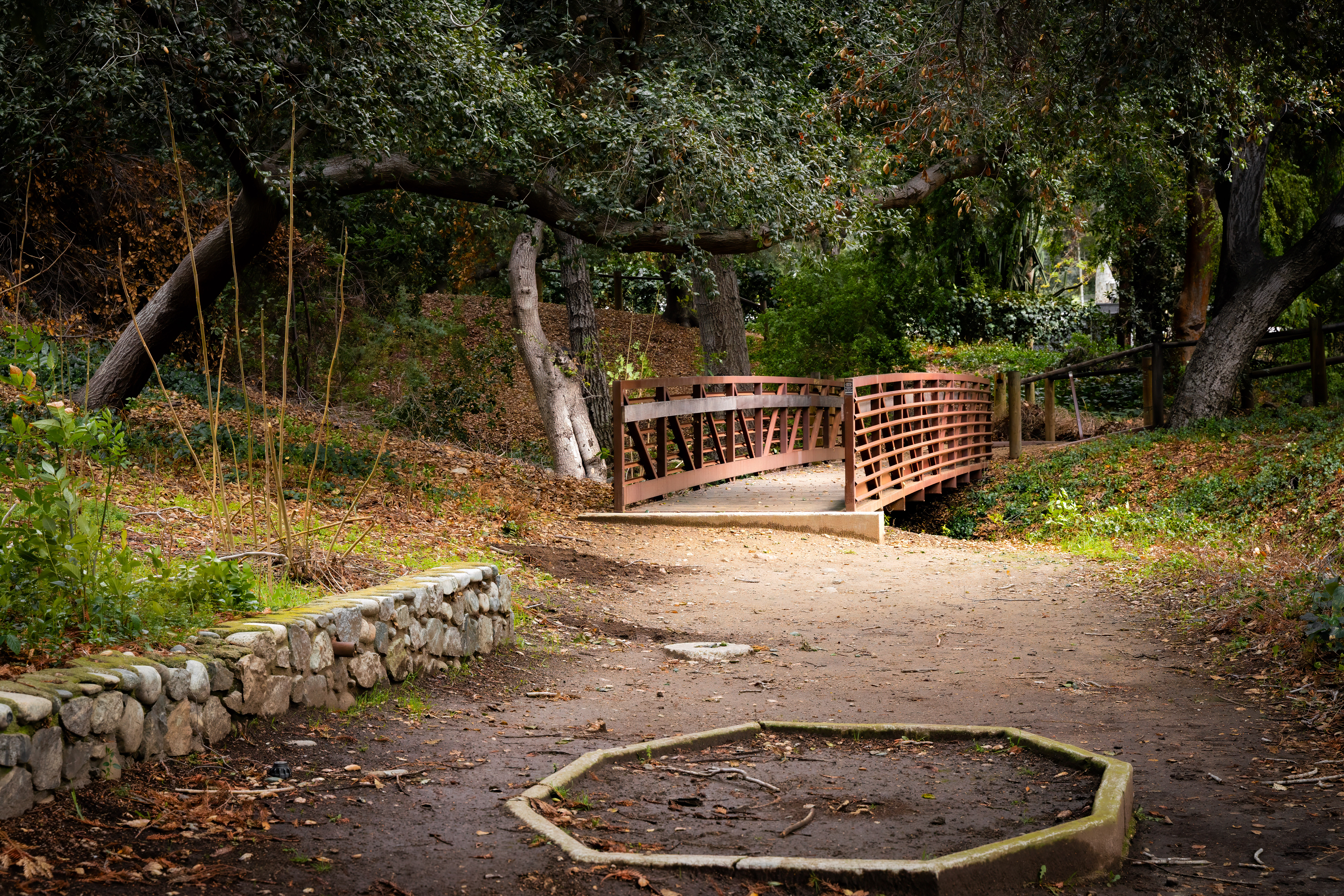
If Jesus is directing me to fast, perhaps I try fasting a meal a week. If he’s leading me to pray, maybe it’s three five-minute moments worked into the natural transitions of my day. If he’s directing me to solitude, I might try a 30-minute slow and unhurried walk at a local park once a week. And whatever he’s leading me to do, I continue to dialogue with him and adjust as needed.
Through the spiritual disciplines, Jesus is going to teach us his lifestyle. And his lifestyle was unhurried, relaxed, and confident in God. I truly believe that an unhurried life is crucial for deep spiritual formation. Many of our sins, addictions, and dysfunctions are the result of habits forged by our constant hurry, stress, and anxiety. Until that changes, much of the transformation that God wants to impart to us will not experience significant traction until we learn to adopt Jesus’ unhurried lifestyle.
The goal is not to add spiritual disciplines on top of an already busy life. Instead, through gentle adoption of spiritual practices, Jesus is going to teach us how to become less hurried. And this may result in dropping some things if our schedule is past capacity.
In Romans 12:1-2, Paul then says, “Do not conform to the pattern of this world, but be transformed by the renewing of your mind.” The default formation of our minds is to conform to the ideas and values of our culture at large. Imagine our culture is like a river. By default we are carried along, drifting wherever the current of ideas and values takes us.
The root of renewal and transformation is our mind. Both thoughts and feelings reside in the mind. Every thought has feelings associated with them. And every feeling is directed by a thought. We deal with feelings through our thoughts. Our thoughts are the primary area we have access to change.
As I train with Jesus, I would talk with him about my mind — what I think and feel — especially concerning the following four general areas. Again, these will form the mental backdrop to then dealing with specific thoughts and feelings around contentment.
- God and his nature — how God is endlessly abundant in all love, joy, peace, power, knowledge and how his goodness for all his creation will prevail.
- The world he has created — how God’s character and purposes are reflected within his good world so that it is a perfectly safe place for us to be.
- The availability God’s kingdom — how God’s kingdom is a present, immediate, and powerful reality available to us through Jesus.
- How my life would flourish — how my life would look by abandoning my agenda and following Jesus into his lifestyle, practices and purposes.
The goal is to interact with God in these four areas in order to retrain how we think, and thus how we feel. We’re training our minds to keep turning back to these four areas by default — when we’re at a stoplight, taking a walk, standing in line at the store, waiting in a doctor’s office, etc. Our minds learn to naturally rest on these four areas. Or to use a biblical term, we abide in them and in the immense goodness and love induced by contemplating on them.
The outcome is then stated in Romans 12:1-2, “Then you will be able to test and approve what God’s will is—his good, pleasing and perfect will.” Being trained in Jesus’ lifestyle, practices and thoughts, we become like him in character, power, and faith and are able to live like him.
Let this quote from Dallas Willard inspire you:
“To live and lead like Jesus, we need to think like Jesus. He knew who he was speaking of. He knew to whom he was introducing others. He knew Elohim’s capabilities, purposes and priorities. Jesus knew and acted on the fact that Yahweh is limitless, boundless, and unrestrained in power, grace, mercy, peace, joy, hope and love. All things are possible. All things. Jesus knew his Father’s name, and he knew when to invoke it to do his will, creatively, adventurously, and joyfully, for himself, for the well-being of others, and ultimately for the entire world.”
Imagine that quote speaking about you. Because that is what Jesus has offered to teach us, “Take my yoke upon you and learn from me.”
The renewal of our minds should work hand-in-hand with the spiritual disciplines we are gently incorporating into our life routines. The interactive space we’re creating through these bodily practices allows us to adopt Jesus’ unhurried and relaxed lifestyle and to interact with God to become saturated with his boundless goodness and love.
This is the trajectory of our general spiritual training as we follow Jesus. Next time, let’s discuss specific spiritual training into contentment.

 Journeying Home